
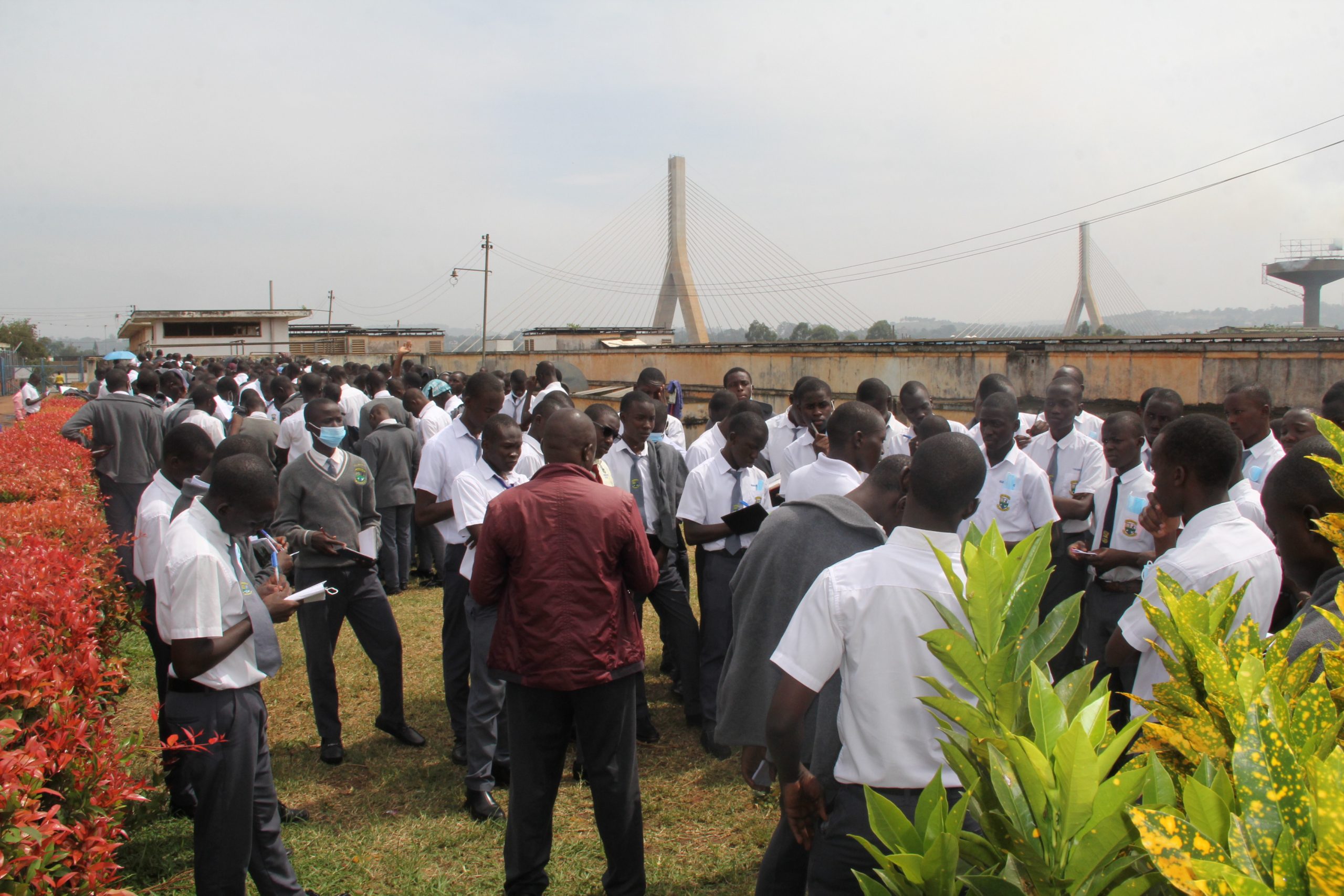

Jinja College– Following our highly anticipated educational tour to Nyanza Textile Industries Ltd (Nytil) in Jinja, our students have returned not just with memories, but with a profound understanding of the “heartbeat” of Ugandan manufacturing.
The field work was a resounding success, bridging the gap between classroom geography, economics, and chemistry and the high-speed reality of a modern textile mill.
Witnessing the Transformation
The journey through the factory floors allowed students to trace the life cycle of a garment from a humble bale of Ugandan cotton to a finely tailored uniform.
- The Science of Color: Chemistry students were fascinated by the large-scale industrial dyeing process, observing how pH levels and temperature controls ensure color fastness.
- The Precision of Engineering: Physics and Geography students marveled at the spinning and weaving looms, noting the immense energy requirements and the strategic location of the factory near the source of the Nile for power and water.
Lessons in Economics and Patriotism
A key takeaway from the briefing by the Nytil management was the importance of the Buy Uganda Build Uganda (BUBU) initiative. Students learned that by supporting local industries like Nytil, they are contributing to national self-reliance and job creation.
“Seeing thousands of workers coordinated toward a single goal opened my eyes to the power of organized labor and entrepreneurship,” remarked [Student Name], a Senior Four student.
From Observation to Analysis
The field work doesn’t end at the factory gates. Back at school, students are currently busy compiling their Field Work Reports. They are analyzing:
- Industrial Linkages: How Nytil interacts with local cotton farmers and international markets.
- Environmental Stewardship: The impressive water treatment systems Nytil uses to protect the Nile.
- Career Pathways: Many students expressed a newfound interest in industrial engineering, textile design, and corporate management.


A Heartfelt Appreciation
We extend our sincere gratitude to the management and staff of Nytil Industries for their warm reception and for opening their doors to the next generation of Ugandan leaders. We also commend our students for the high level of discipline and intellectual curiosity they displayed throughout the tour.
The Nytil expedition has proven that the world is indeed a global classroom. We look forward to seeing these industrial insights reflected in the students’ upcoming academic projects and final examinations.